Garden maintenance for Frognal and Belsize Park homes
Keeping a London garden in good shape is a different kind of job. In Frognal and Belsize Park, outdoor spaces are often compact, neatly designed, and quietly high-maintenance in ways people do not always expect. Shade from mature trees, narrow access, changing light, wind tunnels between buildings, and busy schedules all play a part. So when people look for Garden maintenance for Frognal and Belsize Park homes, they are usually looking for more than a quick tidy-up. They want a dependable, thoughtful routine that keeps the garden healthy, presentable, and genuinely usable through the year.
This guide walks through what proper maintenance involves, why it matters in these neighbourhoods, and how to approach it sensibly. You will find practical steps, common mistakes, a comparison of maintenance options, and a realistic checklist you can use straight away. Truth be told, a well-kept garden in north-west London is less about perfection and more about consistency. Small jobs, done well, save a lot of headache later.
Table of Contents
- Why it matters in Frognal and Belsize Park
- How garden maintenance works
- Key benefits and practical advantages
- Who this is for and when it makes sense
- Step-by-step guidance
- Expert tips for better results
- Common mistakes to avoid
- Tools, resources and recommendations
- Law, compliance, standards, or best practice
- Options, methods, or comparison table
- Case study or real-world example
- Practical checklist
- Conclusion
- Frequently Asked Questions
Why Garden maintenance for Frognal and Belsize Park homes Matters
These two areas share a lot of the same gardening realities. Homes are often older, plots can be tucked behind terraces or down side access paths, and the planting tends to be a mix of mature shrubs, trees, lawns, and decorative borders. That sounds lovely, and it is, but it also means the garden can drift out of balance quickly if it is left alone for too long.
In a shaded garden, moss can creep into lawns. In a sunnier one, shrubs can thicken fast and throw themselves over paths, fences, or windows. Ivy, climbers, and self-seeded growth can become charming for a while and then suddenly look a bit unruly. You know the feeling: one weekend it looks "fine", and a fortnight later it feels like the garden has decided to run the place.
Regular maintenance matters because it helps prevent the kind of slow damage that is expensive or awkward to correct later. A healthy garden is also easier to enjoy. If you use your outdoor space for morning coffee, children's play, entertaining, or simply looking out from the kitchen window, you will notice the difference immediately.
Expert takeaway: In dense London neighbourhoods, the best garden maintenance is usually light, regular, and planned around the garden's actual conditions rather than the calendar alone.
If you are comparing services, it can help to begin with a broader view of what is included in the full range of garden services and then narrow it down to the tasks your garden truly needs. For some homes, that means simple upkeep. For others, it means a mix of pruning, lawn mowing, and occasional garden clearance after a busy season.
How Garden maintenance for Frognal and Belsize Park homes Works
Garden maintenance is not one single task. It is a routine made up of small jobs that support the whole space. The exact mix depends on what is growing, how the garden is used, and how much time the homeowner wants to spend managing it.
Typical maintenance tasks
- Lawns: mowing, edging, light feeding, weed control, and moss management
- Borders: deadheading, weeding, mulching, and seasonal replanting
- Hedges and shrubs: shaping, trimming, and selective pruning
- Trees: monitoring for deadwood, overgrowth, and low branches
- Hard surfaces: sweeping paths, patios, and steps
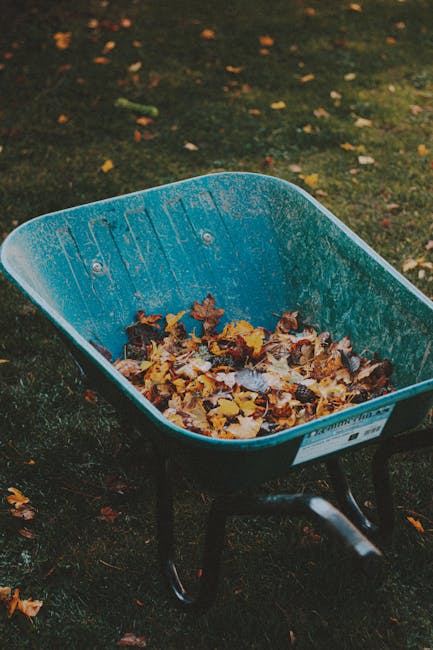
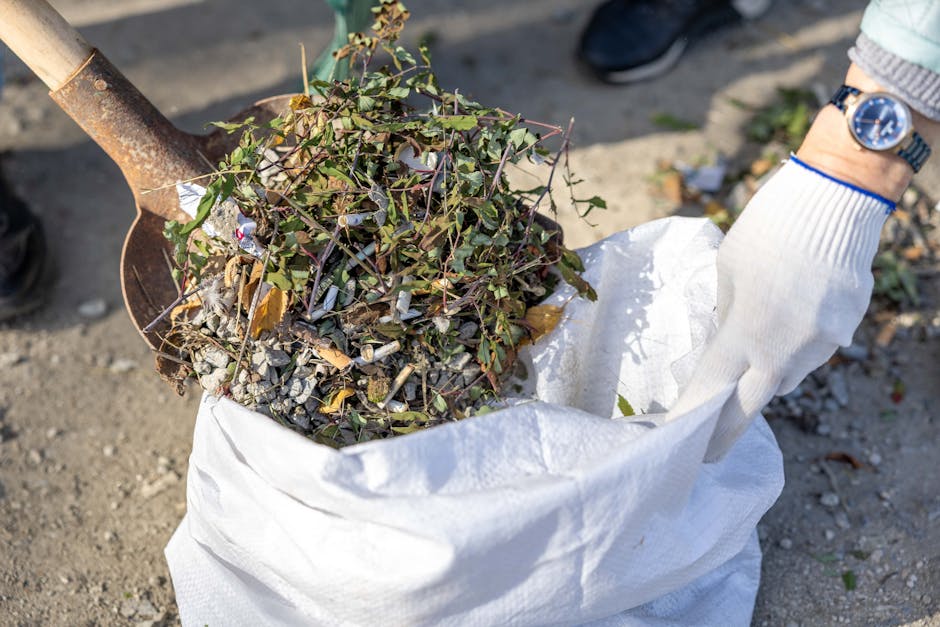
- Debris removal: leaves, twigs, cuttings, and general tidy-up
- Structure care: checking fences, planters, decking, and edging for wear
The work usually starts with an assessment. A good gardener will look at the garden's light levels, drainage, plant health, access points, and how quickly growth is happening. Then they will decide what needs attention now, what can wait, and what should be put on a routine schedule. That sounds simple, but it makes a huge difference.
For example, a small north-facing garden in Belsize Park may need less mowing and more moss control, while a brighter Frognal garden might need regular hedge shaping and consistent watering in dry periods. Same city, same general climate, very different rhythm.
Where a garden has become heavily overgrown, the work may begin with a clearance visit before a maintenance plan is set up. If there are mature hedges blocking light or spilling over boundaries, hedge trimming often becomes part of the regular cycle. And if the garden has a more ambitious layout in mind, you may be better off combining maintenance with landscaping work or landscape gardening to reset the space properly.
Key Benefits and Practical Advantages
Good maintenance does a lot more than keep things tidy. It quietly protects the garden's structure and value, and it makes day-to-day life easier. A few benefits are obvious; others are the kind you only notice when they are missing.
- Better curb appeal: Neatly managed planting, clipped edges, and a healthy lawn make the whole home feel cared for.
- Healthier plants: Regular pruning, feeding, and weed control help plants grow more reliably.
- Less emergency work: Keeping on top of growth avoids the "everything needs doing at once" problem.
- Safer access: Clear paths and controlled overgrowth reduce trip hazards and blocked walkways.
- Better use of outdoor space: You can actually sit, walk, and enjoy the garden without a mental note of jobs waiting for you.
- More manageable costs over time: Small, routine visits often prevent larger restorative jobs later.
There is also a surprisingly important emotional benefit. A garden that looks looked after tends to feel calmer. Even a modest courtyard can feel like a proper extension of the home when it is not cluttered with fallen leaves or overhanging branches. That matters in a city where outdoor space is precious.
For homeowners with decking, regular maintenance is especially useful. Wet leaves, algae, and built-up debris can make boards slippery, and small issues are much easier to tackle early. If your garden includes timber or composite surfaces, it may be worth exploring decking services alongside routine upkeep.
Who This Is For and When It Makes Sense
Garden maintenance is not just for keen gardeners. In fact, many of the households that benefit most are the ones with limited time, older planting schemes, or gardens that look deceptively easy to manage. They never are, are they?
This usually makes sense if you are:
- A homeowner who wants the garden to stay presentable without spending every weekend on it
- A landlord or managing agent looking after a property between tenancies
- A family with a busy outdoor area that sees regular use
- Someone with mature trees, hedges, or shrubs that need professional shaping
- A homeowner planning to improve the garden in stages rather than all at once
- An owner returning after a period of neglect and needing the space brought back under control
The service also makes sense at different times of year for different reasons. Spring is often about recovery and growth. Summer is about keeping pace with everything. Autumn is about clearing leaves and preparing for wetter weather. Winter is less frantic, but not empty; structural pruning and tidy-up jobs still matter.
If your garden is no longer just in need of routine care but needs a serious reset, a blend of maintenance and clearance work is often the smarter starting point. For homeowners who want more than maintenance, but not a full redesign, a conversation about landscape gardening can help you think through what is realistic.
Step-by-Step Guidance
Below is a practical way to approach garden maintenance without overcomplicating it. You can use this whether you are hiring help or simply trying to understand what should happen on a typical visit.
1. Walk the garden slowly
Start with what is obvious: lawn condition, overgrown edges, weeds in paths, dead plant material, blocked drains, broken branches, and any areas that always stay damp. A quick walk-through in the morning light is often best. You notice more when the garden is quiet.
2. Separate urgent tasks from seasonal tasks
Urgent tasks are the things affecting safety or plant health right now: broken branches, slippery surfaces, or growth blocking access. Seasonal tasks include pruning, mulching, planting, and lawn repair. Keeping those separate prevents a long wish list from becoming overwhelming.
3. Set a realistic maintenance rhythm
Some gardens need weekly attention. Others do well with fortnightly or monthly visits. The right pace depends on growth rate, shade, usage, and budget. A well-kept small garden in Belsize Park may look best with lighter but more frequent visits, while a bigger plot in Frognal may benefit from longer sessions at slightly wider intervals.
4. Start with the structure
Trim hedges, clear paths, edge borders, and remove the obvious clutter first. Once the bones of the garden are neat, the planting looks better automatically. It is one of those jobs where a small amount of order changes everything.
5. Handle plant health properly
Remove dead stems, check for disease, prune thoughtfully, and avoid hacking things back just because they look untidy. A plant cut in the wrong place may take months to recover. In this part of London, mature shrubs and climbers often respond better to selective pruning than heavy cutting.
6. Finish with detail work
Rake up debris, sweep hard surfaces, check watering needs, and inspect for anything that might create a problem later. A garden should look tidy, yes, but it should also be easy to live with.
A tidy finish is never just cosmetic. It is the part that makes the job feel complete.
Expert Tips for Better Results
After a while, certain patterns become obvious. Gardens that stay in better condition usually have a few things in common: simple routines, sensible planting, and fewer "we'll deal with that later" moments. Later has a habit of turning into a long afternoon.
- Work with the garden's light: Shade-loving plants will struggle in hot, exposed corners and vice versa. Matching planting to conditions reduces maintenance.
- Mulch at the right time: A layer of organic mulch can help suppress weeds and hold moisture, especially in border-heavy gardens.
- Do not let hedges get away from you: Regular trimming is easier and cleaner than trying to rescue a hedge that has turned into a wall.
- Watch the lawn edges: A lawn can look tired when the edges are rough, even if the grass itself is fine.
- Keep access paths clear: In narrow London gardens, blocked side returns and cramped steps create unnecessary friction.
- Use the right pruning window: Some plants tolerate pruning well in one season and poorly in another. If unsure, ask before cutting.
One small, practical tip: if you are planning a more involved garden refresh, combine the tidy-up with a broader review of what is failing and what is worth keeping. Sometimes the best improvement is not buying more plants. It is removing the wrong ones. A bit brutal, perhaps, but gardening can be like editing.
If trees are casting too much shade, rubbing against buildings, or dropping heavy deadwood, it may be time to look at tree lopping and removal. That should always be approached carefully and with proper judgement, especially where mature trees are part of the character of the property.
Common Mistakes to Avoid
Most garden problems do not begin with one dramatic event. They begin with several small choices that seemed harmless at the time. Easy to do. Easy to regret.
- Over-pruning: Cutting too much can stress plants, ruin their shape, and leave them vulnerable.
- Ignoring drainage issues: Persistent wet spots, puddling, or moss are often signs of a deeper problem.
- Leaving leaf build-up too long: Damp leaf litter can smother lawns and encourage pests or disease.
- Using the wrong tools: Dull or unsuitable tools make poor cuts and can damage plant tissue.
- Forgetting hard landscaping: Patios, paths, and decking need upkeep too, not just planting areas.
- Trying to do everything in one go: That usually leads to rushed work and inconsistent results.
Another common mistake is treating every garden like a low-maintenance modern plot. Frognal and Belsize Park homes often have older, more layered gardens with established plants, boundary structures, and awkward access. Those need a bit more thought. Not necessarily more effort, just better judgement.
Tools, Resources and Recommendations
For homeowners who like to stay involved, a basic toolset can keep smaller jobs under control between professional visits. You do not need a shed full of kit. Honestly, most people would rather not.
Useful tools for routine care
- Hand shears for light trimming
- Secateurs for deadheading and small cuts
- Leaf rake for seasonal clear-ups
- Border fork or hand fork for weeds and loosening soil
- Spade or edging tool for crisp lawn lines
- Hose or watering can for dry spells
- Garden gloves and sturdy footwear
Helpful ways to manage the work
- Keep a simple monthly task list
- Take photos of problem areas so changes are easy to track
- Note which plants flower, grow, or decline at certain times of year
- Plan a spring and autumn reset even if the garden is otherwise easy to maintain
If you prefer not to manage the work yourself, it can help to look at a provider's wider approach to customer care, including pricing and quotes, insurance and safety, and recycling and sustainability. Those details matter more than people sometimes think. Proper green waste handling and sensible safety practices are part of a job done well.
For a fuller picture of who is behind the work, learning about the company can also help with trust and expectations. And if you want to understand the service journey from start to finish, the garden maintenance service page is a useful place to begin.
Law, Compliance, Standards, or Best Practice
Garden maintenance is usually straightforward, but there are still good practice points worth respecting. In a residential London setting, safety and care are a big part of professionalism.
If work involves ladders, cutting tools, heavy waste, uneven ground, or tree-related tasks, the operator should work carefully, follow sensible risk management, and avoid shortcuts. Homeowners should not be expected to guess whether a task is safe; that is part of the service provider's responsibility.
There are also practical considerations around waste. Green waste should be removed and handled responsibly, and any recycling approach should be honest about what can and cannot be composted or reused. Where tree work is involved, care is especially important. Not every branch needs removing, and not every problem tree needs drastic action. Sometimes it does; sometimes it really does not.
For peace of mind, many homeowners also look for clear service terms, transparent payment arrangements, and a sensible complaints process. Those are not glamorous topics, but they help build trust. You can review the company's terms and conditions, payment and security information, and complaints procedure if you want to understand how that side of the service is handled.
Best practice, in plain English, is simple: work safely, communicate clearly, protect the property, and leave the garden better than you found it.
Options, Methods, or Comparison Table
If you are deciding how to maintain a garden in Frognal or Belsize Park, the main choices usually come down to how much help you need and how often.
| Approach | Best for | Pros | Trade-offs |
|---|---|---|---|
| DIY maintenance | Small, simple gardens and confident homeowners | Flexible, low direct cost, hands-on control | Time-consuming, easy to miss seasonal tasks, inconsistent results |
| Occasional professional visits | Gardens that need periodic reset or specialist tasks | Good for pruning, clearance, and seasonal tidy-ups | May not keep fast-growing gardens fully on track |
| Regular maintenance plan | Busy households, mature gardens, and high-visibility homes | Consistent appearance, better plant health, fewer surprises | Ongoing commitment and routine scheduling |
In many cases, a hybrid approach works best. Homeowners handle light watering or deadheading, while a professional takes care of mowing, hedge trimming, pruning, and seasonal tidy-ups. That way the garden stays under control without becoming another weekend job that you secretly resent.
If the outdoor space needs structure as well as upkeep, it may be worth pairing maintenance with broader landscaping or selective decking services. A solid layout often reduces maintenance pressure in the long run.
Case Study or Real-World Example
Here is a realistic example based on the kind of work that comes up often in this part of London.
A homeowner in Belsize Park had a small rear garden that looked pleasant in spring but became messy by midsummer. The lawn was patchy, the hedge along the boundary had started leaning into the path, and two climbing plants were competing with each other around a fence panel. Nothing was dramatically wrong. That was the issue. It was all just a bit too much, a bit too long.
The first visit focused on clearing cuttings, trimming the hedge, neatening the edges, and reducing overcrowding around the climbers. The lawn was mown properly rather than shaved too low, and the weak areas were left to recover instead of being forced. A follow-up plan set a sensible rhythm for seasonal pruning, leaf clearance, and regular checks. No grand redesign. No drama. Just steady control.
By the end of the season, the garden was easier to use, looked sharper from the kitchen window, and no longer felt like a task waiting to happen every time the back door opened. That is often the real win. Not a magazine garden. A manageable one.
Practical Checklist
Use this checklist to judge whether your garden is getting the right level of maintenance.
- Lawns are cut at the right height and not left to become thatchy or patchy
- Hedges and shrubs are trimmed before they become overbearing
- Borders are weeded and not full of dead stems or choking growth
- Paths, steps, and patios are swept and safe to walk on
- Leaves and debris are removed regularly in autumn and after storms
- Trees are checked for deadwood, low branches, or obvious crowding
- Plants are pruned in a way that suits their growth habit
- Drainage issues, moss, or slippery surfaces are not ignored
- Green waste is disposed of responsibly
- The garden looks cared for even between more intensive visits
If you can tick most of those boxes, you are probably in a good place. If not, it may be time to switch from occasional tidying to a proper routine.
Get a free quote today and see how much you can save.
Conclusion
Garden maintenance for Frognal and Belsize Park homes is really about keeping outdoor space healthy, useful, and quietly attractive without letting small jobs snowball into larger ones. In a part of London where gardens are often compact, mature, and visually important, that steady approach pays off. It saves time, reduces stress, and helps the garden feel like part of the home rather than a separate burden.
The best results usually come from a mix of consistency, good judgement, and a maintenance plan that suits the space rather than fighting it. That is the sweet spot. And once you find it, the garden starts to feel a lot easier to live with.
When a garden is well looked after, you notice it in small ways first: the clean lines, the softer scent after rain, the absence of clutter, the calm it brings when you step outside with your tea. Nice, really.
Frequently Asked Questions
How often do Frognal and Belsize Park gardens usually need maintenance?
It depends on the size, planting, shade, and how the space is used. Many gardens benefit from weekly or fortnightly attention in the growing season, then lighter visits in autumn and winter. Fast-growing hedges or lawns often need more regular care.
What is included in a typical garden maintenance visit?
Common tasks include mowing, edging, weeding, hedge trimming, pruning, leaf clearance, sweeping paths, and removing debris. Some visits may also include plant checks, watering advice, or small tidy-up jobs around decking and borders.
Do I need garden clearance before starting maintenance?
If the garden is heavily overgrown or cluttered, yes, a clearance visit is often the sensible starting point. Once the space is reset, routine maintenance becomes much more effective and far easier to keep up.
Is regular maintenance better than occasional big tidy-ups?
Usually, yes. Regular maintenance keeps growth under control and reduces the risk of plants, lawns, and hard surfaces falling behind. Occasional big tidy-ups can help, but they rarely replace a proper routine.
What should I do about a lawn that looks tired or patchy?
First, work out whether the issue is shade, poor drainage, compacted soil, or cutting height. A tired lawn does not always need replacing. Sometimes it needs better mowing, aeration, scarifying, or less aggressive use.
Can garden maintenance improve property appearance?
Absolutely. A tidy, healthy garden can make a home feel brighter, more spacious, and better cared for from the first glance. It is one of the simplest ways to improve the overall look of a property.
What is the difference between maintenance and landscaping?
Maintenance keeps the garden in good condition. Landscaping changes the structure or design of the space. If you need layout changes, new surfaces, or a full refresh, landscaping may be more appropriate than routine upkeep alone.
Are mature trees a maintenance issue?
They can be. Mature trees bring character and shade, but they also need monitoring for deadwood, overhanging growth, and crowding. If tree work becomes necessary, it should be handled carefully and with proper judgement.
How do I choose between DIY and professional garden care?
Choose DIY if the garden is small, simple, and you genuinely have the time. Choose professional care if the space is large, overgrown, high-maintenance, or requires regular trimming, mowing, and seasonal attention. A mixed approach often works best.
What should I look for in a garden maintenance provider?
Look for clear communication, sensible safety practices, transparent pricing, responsible waste handling, and experience with the kind of garden you have. It also helps when the provider explains what will be done, what might wait, and why.
Can maintenance help with privacy and boundary growth?
Yes. Regular hedge trimming and pruning can keep boundaries neat, preserve light, and maintain privacy without letting the garden feel boxed in. That balance matters a lot in built-up areas.
When is the best time to start a maintenance plan?
There is no bad time, really, but spring and early autumn are especially useful. Spring gets the garden ready for growth, while autumn helps clear and prepare it for wetter weather. If the garden is already behind, start now rather than waiting for the "right" season.
Choosing the right level of care does not need to be complicated. Start with what the garden actually needs, keep the routine realistic, and build from there. A calm, well-kept outdoor space is one of the nicest parts of home life, and in Frognal and Belsize Park, it is worth protecting.