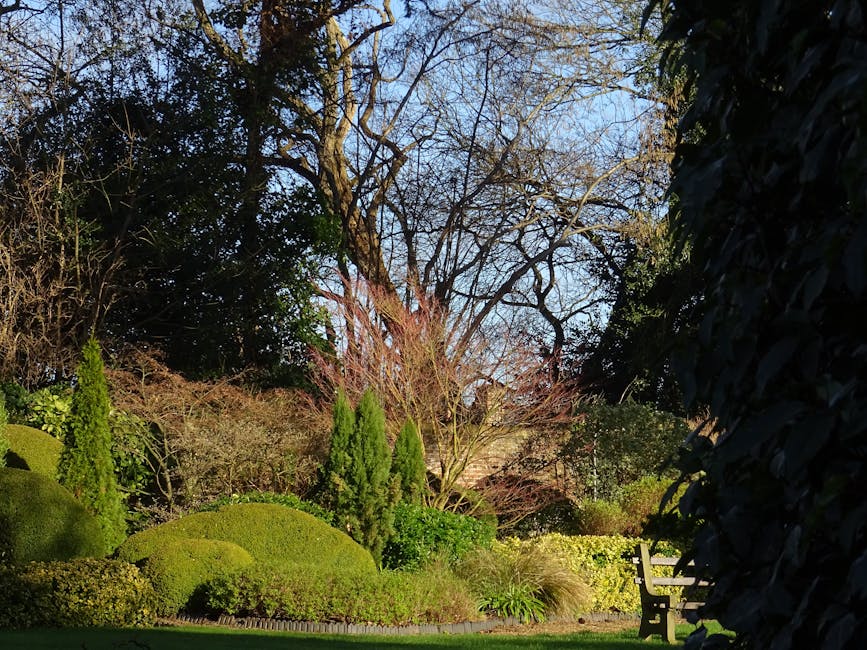
Best gardeners for Hampstead Village gardens NW3
If you are looking for the best gardeners for Hampstead Village gardens NW3, you are probably not after a flashy sales pitch. You want someone who understands London gardens, respects period properties, and can keep a small outdoor space looking calm instead of chaotic. Fair enough. Hampstead Village gardens tend to have their own character: mature planting, awkward access, shady corners, terrace walls, and the kind of detail work that punishes a rushed job.
This guide walks through what really matters when choosing a gardener in NW3, how the service should work, which options make sense for different kinds of gardens, and what to expect from a trustworthy local team. It also covers practical costs, maintenance planning, safety, and a simple checklist so you can make a decision without second-guessing yourself later.
Table of Contents
- Why Best gardeners for Hampstead Village gardens NW3 Matters
- How Best gardeners for Hampstead Village gardens NW3 Works
- Key Benefits and Practical Advantages
- Who This Is For and When It Makes Sense
- Step-by-Step Guidance
- Expert Tips for Better Results
- Common Mistakes to Avoid
- Tools, Resources and Recommendations
- Law, Compliance, Standards, or Best Practice
- Options, Methods, or Comparison Table
- Case Study or Real-World Example
- Practical Checklist
- Conclusion
- Frequently Asked Questions
Why Best gardeners for Hampstead Village gardens NW3 Matters
Hampstead Village is not a place where a one-size-fits-all gardening approach works well. Gardens in NW3 often sit behind older homes, on sloped plots, or tucked into narrow courtyards where every plant choice and every cut matters. A good gardener does more than mow, trim, and leave. They read the space.
That matters because the wrong maintenance routine can quietly damage a garden over time. Shrubs get lopped too hard. Box hedges lose shape. Shade-loving plants are treated like they are sun lovers. Soil is ignored. Weeds keep coming back. And suddenly the garden looks tired, even if it was beautiful last spring.
For local homeowners, landlords, and managing agents, finding the right gardener also means finding someone who can work neatly, communicate clearly, and fit around the rhythm of London life. Let's face it, nobody wants a team turning up late, blocking access, or doing the job in a way that causes more mess than value.
There is also a more subtle reason this matters: Hampstead gardens often add to the feel and value of a property. A well-kept front garden, a tidy courtyard, or a genuinely restful back garden changes how the whole home feels. Not dramatic, just real. You notice it when you step outside with a coffee on a bright morning and the place feels looked after.
Practical takeaway: the best gardener for an NW3 garden is usually the one who understands local conditions, listens carefully, and maintains the garden in a way that suits the property rather than forcing it into a generic routine.
How Best gardeners for Hampstead Village gardens NW3 Works
In practice, the process starts with a site visit or a detailed discussion. A reliable gardener will want to understand the size of the space, the condition of the planting, how often you want visits, whether the garden is ornamental or functional, and whether there are access restrictions, pets, neighbours, or shared areas to consider.
That first conversation should feel useful, not vague. A decent professional will ask what matters most to you: keeping things neat, restoring an overgrown space, improving planting, handling seasonal work, or setting up a regular maintenance plan. If they do not ask questions, that is a small warning sign. Gardens are too different for guesswork.
After that, the gardener should suggest a sensible scope of work. For some homes, that means regular mowing, edging, weeding, pruning, and clearing. For others, it may involve hedge maintenance, soft landscaping, soil improvement, mulching, and planting updates. If you need a broader service, it can help to review the provider's full range of gardening services before you book.
Good gardeners also think seasonally. They know that a garden in early spring needs different attention from one in late summer or a damp winter week. It sounds obvious, but a lot of disappointing garden work comes from ignoring timing. The job is not just what gets done, but when it gets done.
You may also see differences in how teams manage waste, tool use, and site safety. That is not admin fluff. In a compact village setting, it affects noise, tidiness, and how smoothly the whole visit runs.
Key Benefits and Practical Advantages
Choosing the right gardener brings a mix of visible and less visible benefits. Some are immediate. Some build over months. The best ones usually include the following:
- Better garden health: Plants are pruned, fed, and spaced with actual care, which supports stronger growth.
- Cleaner presentation: Borders, paths, and lawn edges stay tidy, so the whole space feels sharper.
- Less stress for you: Regular upkeep means fewer weekends lost to back-breaking hedge work.
- More suitable planting decisions: A gardener who understands NW3 conditions can recommend plants that cope better with shade, wind, and seasonal swings.
- Better use of small spaces: In a narrow courtyard or town garden, clever layout matters more than size.
- Reduced long-term cost: Preventative maintenance often avoids expensive recovery work later on.
There is another advantage people overlook: continuity. When one experienced gardener returns to the same property, they learn how the garden behaves. Which rose gets mildew first. Where the soil dries out fastest. Which side of the wall gets morning sun. That kind of knowledge is hard to buy in a single visit, and it is worth a lot.
For busy households, that continuity also saves time. You do not want to explain the same thing every month. You want a team that remembers where the compost bin is and knows not to clip the lavender too late. Simple, but very useful.
Who This Is For and When It Makes Sense
This service makes sense for a wide range of people in Hampstead Village and the wider NW3 area. You may need help if your garden has become difficult to keep up with, if you have just moved in, or if the outdoor space is a selling point you want to protect.
It is often the right call for:
- Homeowners with mature or high-maintenance planting
- Landlords who need a presentable garden between tenancies
- Older residents who want help with heavier or repetitive work
- Families who enjoy the garden but do not have time for consistent upkeep
- Managing agents looking for a reliable, professional maintenance schedule
- People with overgrown or neglected gardens who need a reset before regular care begins
It also makes sense if you are simply fed up with doing the same jobs badly on your own. We have all been there. You trim a hedge one weekend, then spend the next two weekends thinking it looks slightly odd, which is never a good sign. Sometimes the real win is handing the job over to someone who can do it properly and keep it that way.
If your garden is small but detailed, that is not a reason to skip professional help. In fact, compact spaces often benefit more from skilled maintenance because every square metre shows the result.
Step-by-Step Guidance
If you are trying to choose the right gardener, here is a simple and practical way to do it without overcomplicating the process.
- Define the job clearly. Decide whether you need regular maintenance, a one-off tidy, seasonal pruning, planting help, or a garden recovery project.
- Walk the space properly. Look at access points, water access, shed storage, fragile areas, and anything a gardener will need to know before arriving.
- Shortlist providers with relevant experience. A gardener used to larger suburban plots may not be the best fit for a tight, characterful Hampstead Village garden.
- Ask about their process. How do they quote? How often can they visit? What happens with waste? Do they bring their own tools?
- Check trust signals. Professional standards matter. Look for clear communication, sensible policies, and proper insurance awareness. The right team should be happy to explain these points.
- Compare the scope, not just the price. The cheapest quote can be thin on detail. The best value usually comes from clear tasks, consistent visits, and no hidden surprises.
- Start with a manageable plan. If you are unsure, begin with one visit or a short maintenance schedule, then adjust after you see the results.
If you want to review how a provider frames its work before you commit, it can be useful to read the about us page and the pricing and quotes information. That often tells you more than polished marketing ever does.
And yes, a good quote should make sense. If it feels oddly vague, ask for clarification. You are not being fussy. You are being sensible.
Expert Tips for Better Results
A lot of garden problems are not caused by dramatic mistakes. They build from small, repeated missteps. These tips help avoid that slow drift.
- Prioritise structure first. Before adding new plants, make sure paths, edges, hedges, and access routes are tidy and functional.
- Prune with the garden's shape in mind. Hedges and shrubs should support the property's style, not fight it.
- Do not overplant small spaces. In a compact NW3 garden, too many varieties can make maintenance awkward and visual clutter worse.
- Keep soil healthy. Mulch, compost, and sensible feeding often do more good than a quick cosmetic tidy.
- Ask for seasonal planning. A good gardener should think beyond the next visit and help you plan spring, summer, autumn, and winter tasks.
- Use local knowledge. Shade, drainage, and neighbour boundaries are all part of the Hampstead puzzle.
One thing that helps a lot is keeping a simple garden note. Nothing fancy. Just a small list of what was planted, when the roses were pruned, or which border gets too dry in August. A five-minute note can save a lot of confusion later.
Also, if your garden is shared or visible from neighbouring properties, ask the gardener to work with a lighter touch on the most visible areas. That little bit of judgement can make the whole place feel calm and cared for.
Common Mistakes to Avoid
The most common mistake is choosing purely on price. Everyone likes value, of course, but cheap work that has to be redone is not actually cheap. It is just annoying with extra steps.
Other mistakes crop up just as often:
- Not defining the scope: If you do not say whether you want pruning, clearance, planting, or maintenance, you may get a partial job.
- Ignoring access issues: Narrow entrances, steep steps, or shared hallways can affect timing and equipment.
- Overlooking waste handling: Garden debris has to go somewhere, and that should be agreed in advance.
- Assuming all gardeners do the same work: Some are best for maintenance, others for restoration or planting. That difference matters.
- Skipping communication: If something is important to you, say it early. A small misunderstanding can lead to unnecessary rework.
Another subtle mistake is expecting a neglected garden to look perfect after one visit. Sometimes that happens, but not always. A truly tired garden often needs a reset, then a maintenance rhythm to hold the improvement. That is just reality.
Truth be told, the best results usually come from patience plus consistency. Not very glamorous, but very effective.
Tools, Resources and Recommendations
You do not need to become a gardening expert yourself, but it helps to know the basic tools and service types involved. That way, you can discuss work more clearly and spot whether a quote is realistic.
| Option | Best for | What to expect |
|---|---|---|
| Regular maintenance visits | Busy households and gardens that need consistency | Routine tidying, weeding, mowing, edging, pruning, and seasonal care |
| One-off tidy-up | Overgrown or neglected spaces | Bringing the garden back into shape before ongoing care starts |
| Planting and border improvement | Gardens that feel flat or unbalanced | Better structure, colour, and planting choices suited to the site |
| Seasonal pruning | Shrubs, hedges, roses, and established planting | Cleaner growth, better shape, and healthier plants over time |
| Full garden management | Properties needing broader oversight | A more complete plan covering maintenance, improvements, and scheduling |
For people comparing options, the most useful documents are often the ones that explain service scope, payment expectations, safety, and sustainability. Those details can help you understand how professional the operation really is. You may want to look at services overview, payment and security, and recycling and sustainability as part of your decision.
There is also value in checking how a company handles support and communication. If things ever go sideways, you want to know what the complaint route looks like, even if you never use it. That is just sensible due diligence.
Law, Compliance, Standards, or Best Practice
For garden work in a residential area like Hampstead Village, the main practical concern is not legal jargon; it is doing the job safely, responsibly, and without causing avoidable disruption. A professional gardener should work with appropriate insurance, sensible site practices, and respect for neighbouring properties.
Common best-practice expectations include:
- Using tools safely and keeping the work area tidy
- Managing trip hazards, cuts, and lifting tasks carefully
- Handling waste and green debris responsibly
- Communicating clearly about access, timing, and scope
- Respecting privacy, boundaries, and shared spaces
If a provider has clear policies about safety and insurance, that is a very good sign. It shows they are thinking beyond the visible garden work. You can also review their insurance and safety information and health and safety policy for extra reassurance.
On the environmental side, responsible disposal and sensible material use matter too. Many customers now prefer a gardener who avoids waste where possible, reuses organic matter appropriately, and keeps the site tidy without overdoing chemical treatments. That approach feels more balanced and, frankly, more grown-up.
If you ever have a concern about service standards, look for a clear complaints route and terms that explain how the work is agreed. A straight answer is usually the best answer.
Options, Methods, or Comparison Table
Not every garden needs the same type of support. Here is a simple comparison to help you think about the best fit.
| Approach | Pros | Watch-outs | Best suited to |
|---|---|---|---|
| Ad hoc visits | Flexible and good for occasional tasks | Harder to maintain consistency | Light-use gardens or simple seasonal work |
| Scheduled maintenance | Reliable, tidy, and easier to plan around | Less flexible if you need urgent changes | Busy homes, front gardens, and established planting |
| One-off restoration | Fast way to tackle overgrowth | Needs follow-up or the garden slips back | Neglected spaces and pre-sale presentation |
| Full garden care package | More strategic and often better long-term | Usually needs clearer planning and budget | Properties with complex planting or high standards |
If you are unsure, start with a maintenance visit and see how the gardener works. The best teams usually make themselves obvious quite quickly: tidy tools, clear communication, no frantic improvising, and a garden that looks better without looking overworked.
Case Study or Real-World Example
Imagine a Hampstead Village terrace garden that has become a bit lost over two seasons. The borders are packed but uneven, the lavender is woody, the back corner is shaded and damp, and the path is starting to disappear under soft growth. Nothing catastrophic. Just a garden that has slipped.
A strong gardener would not attack everything at once. First comes a proper tidy: clearing dead material, lifting light debris, and checking what is actually healthy. Then the overgrown shrubs are shaped, the path edges are opened up, and the soil is refreshed where needed. Finally, the gardener plans follow-up visits to keep the space under control and gradually improve it.
That staged approach is usually far better than a dramatic cut-back. You keep the character of the garden, which is important in NW3, and you avoid that harsh "stripped back" look that some gardens never quite recover from. A little restraint goes a long way.
In a real-world setting, the homeowner often notices the benefit almost immediately. The garden becomes usable again. The smell of damp soil and clipped greenery returns. Light reaches areas that had gone gloomy. And, perhaps most importantly, the space feels like part of the home again rather than a job waiting in the queue.
Practical Checklist
Use this checklist before you book. It keeps the process simple.
- Have I clearly defined what needs doing?
- Do I need one-off work, regular maintenance, or both?
- Have I noted access issues, parking, and entry details?
- Do I know which areas matter most visually?
- Have I asked how waste and debris will be handled?
- Have I reviewed pricing and what is included?
- Have I checked safety, insurance, and communication standards?
- Do I understand whether planting changes are part of the job?
- Have I looked at terms, payment expectations, and next steps?
- Am I happy with the schedule, tone, and overall fit?
Expert summary: the best gardener for a Hampstead Village garden is usually the one who combines local awareness, reliable maintenance, and clear communication. Skill matters, yes. But calm, consistent follow-through matters just as much. That is where the real value shows up.
If you are ready to compare options properly, it can help to review the company's pricing and quotes approach and then make direct contact through the contact us page. Straightforward, no drama.
Conclusion
Choosing the best gardeners for Hampstead Village gardens NW3 is really about fit. Not just whether someone can prune a hedge, but whether they understand the feel of a local garden and can look after it with care. In NW3, the details matter. The wrong cut, the wrong planting choice, or the wrong maintenance rhythm can throw a garden off balance for months.
When you choose well, the result is quietly satisfying. The garden looks healthy, the work feels unobtrusive, and you get a space that supports daily life instead of adding another task to it. That is the goal, really. A garden that feels lived in, not worked over.
If you are comparing providers, start with clarity: ask what they do, how they do it, and how they keep standards consistent. Then look for the team that sounds practical, thoughtful, and easy to trust. Simple advice, but it works.
Get a free quote today and see how much you can save.
And if your garden has been quietly asking for attention for a while now, this is a good moment to answer back. A small, well-kept outdoor space can change the mood of the whole home. It really can.
Frequently Asked Questions
What makes a gardener suitable for Hampstead Village gardens?
A suitable gardener understands local garden conditions, works neatly in residential settings, and can handle the mix of mature planting, compact spaces, and detailed maintenance that NW3 properties often need.
How often should a Hampstead Village garden be maintained?
That depends on the garden's size, planting style, and how quickly it grows. Many gardens benefit from regular visits during active growing periods, with seasonal adjustments in quieter months.
Is one-off garden clearance enough for an overgrown garden?
It can be a good start, but usually not the full answer. If a garden has been neglected, a tidy-up is often followed by regular maintenance so the progress does not fade away.
What should I ask before hiring a gardener in NW3?
Ask about experience, scope of work, waste removal, insurance, timing, pricing, and whether they offer ongoing maintenance or just one-off jobs. That gives you a much clearer picture.
Do the best gardeners provide planting advice too?
Many do, especially if they work on established residential gardens. Good planting advice should be practical and suited to shade, soil, and the amount of upkeep you actually want to do.
How do I compare gardening quotes fairly?
Look beyond the headline price. Compare what is included, how often visits happen, whether waste is removed, and whether the quote reflects the actual condition of the garden.
Can a gardener help with small courtyard gardens as well as larger plots?
Yes. Small spaces often need even more care because every detail is visible. A skilled gardener can make a compact courtyard feel much more polished without overcrowding it.
What if I need a gardener who can work around access restrictions?
That is common in Hampstead Village. Tell the gardener about stairs, narrow entrances, shared paths, parking limits, or any timing constraints before the visit is booked.
Are safety and insurance really important for garden work?
Yes, absolutely. Garden work can involve tools, lifting, trip hazards, and debris. A professional approach to safety and insurance is part of what separates a reliable service from a casual one.
How do I know if a gardener is the right long-term fit?
After a visit or two, look at the results, communication, punctuality, and how well they respond to feedback. The right fit should feel steady and easy, not awkward or overly managed.
What kind of maintenance tasks do most Hampstead Village gardens need?
Common tasks include mowing, edging, weeding, hedge trimming, pruning, border tidying, seasonal planting, and general site clean-up. The mix depends on the age and style of the garden.
Where can I learn more about the company before booking?
You can review the about us page, check the services overview, and read practical details like insurance and safety information before making a decision.